
The Patience Before the First Note: Inside Steinway’s Timber Seasoning Tradition
AI-assisted voice playback. Starts only when you choose Play.
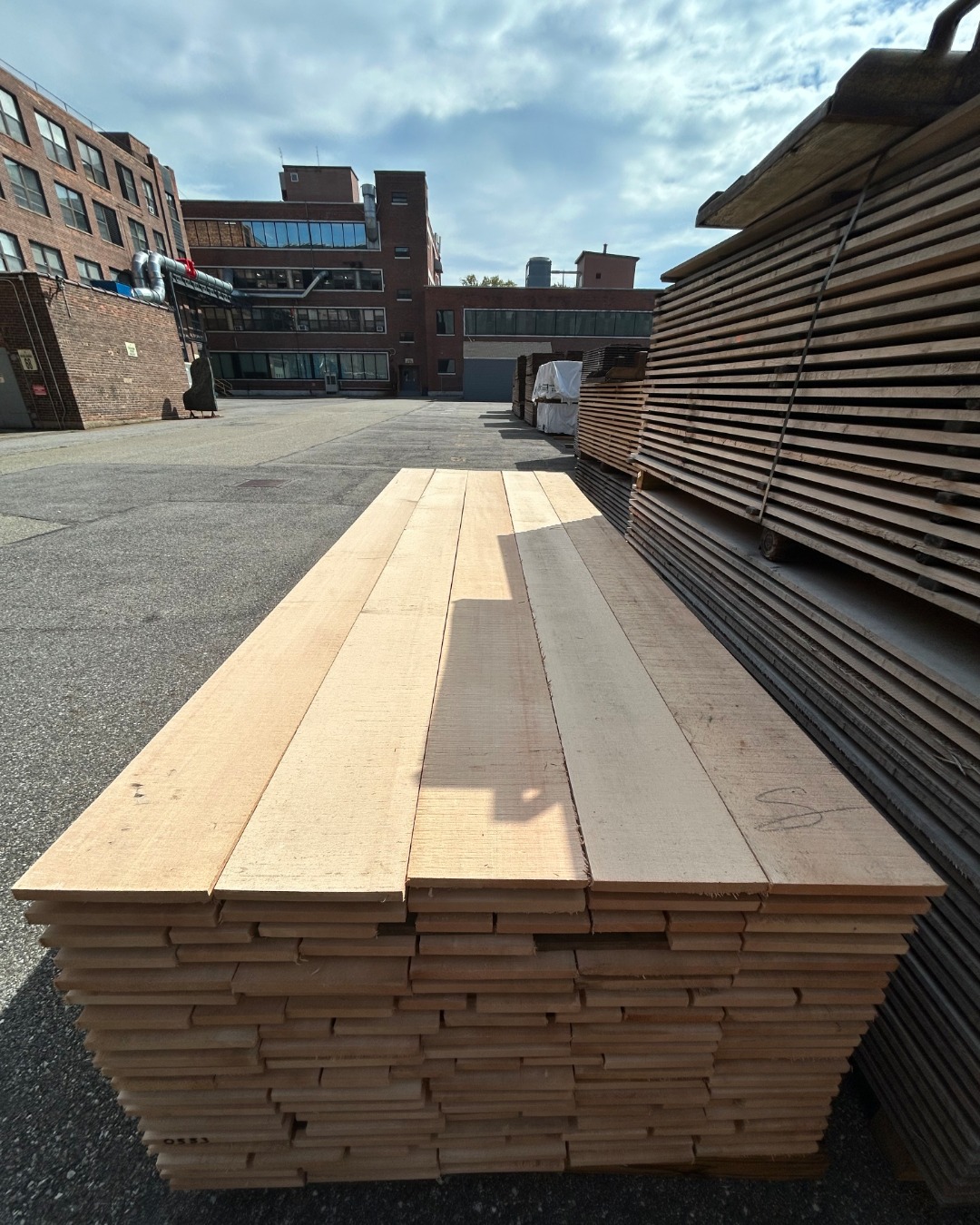
In the quiet geometry of Steinway & Sons' New York factory, stacks of timber stand in patient rows, seasoning in the ambient air. There is no drama here, no polished concert hall or glittering premiere—only the slow, deliberate work of preparation that will never be heard by an audience, yet defines everything that follows. This is where a Steinway piano truly begins: not with the first keystroke of a virtuoso, but with the careful selection and aging of wood chosen for qualities that lie dormant within the grain.
Selection as Discipline
Each piece of timber admitted to the Steinway workshop has already survived an exacting appraisal. The criteria are uncompromising: the wood must possess the strength to withstand decades of tension from 88 keys and their accompanying mechanisms; the stability to resist warping through countless temperature shifts; the resonance to amplify and sustain sound with crystalline purity; and a visual beauty befitting an instrument that sits as sculpture in the world's finest drawing rooms and concert halls.
This selectivity reflects a manufacturing philosophy that has endured since Heinrich Engelhardt Steinweg founded the company in 1853. The standards set then have only deepened with time. Every timber selection is an act of foresight—a promise that the finished instrument will perform not merely for years, but for generations.
The Invisible Craftsmanship
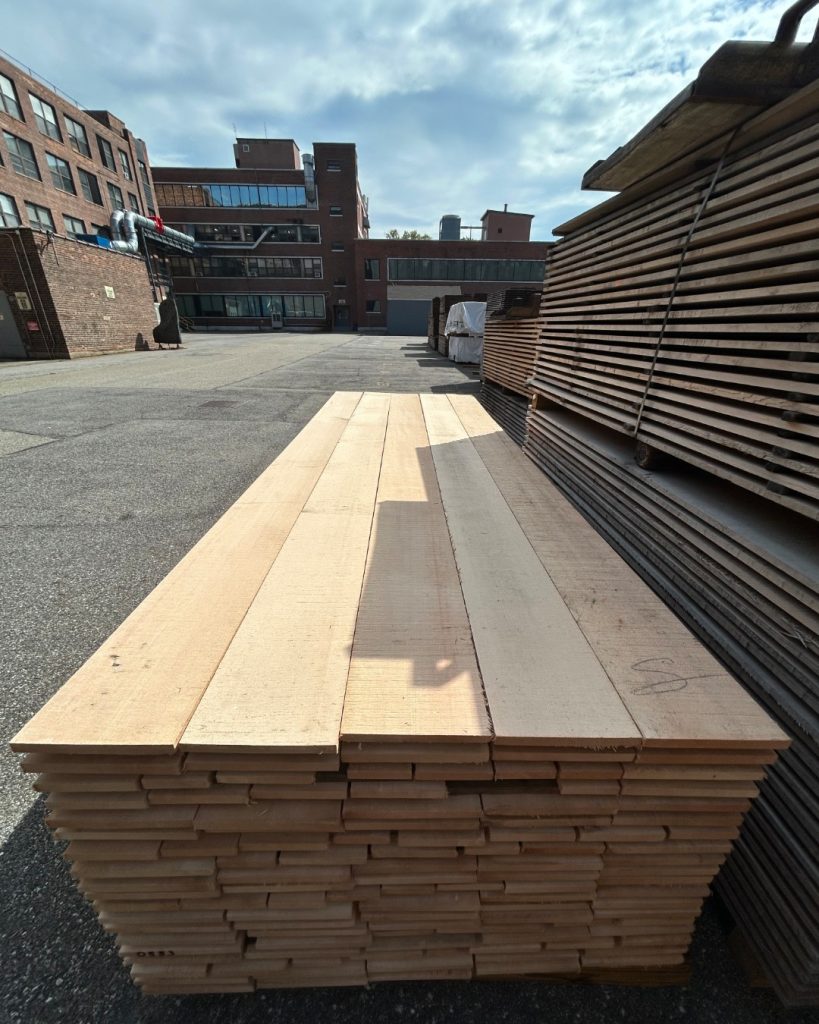
Seasoning is perhaps the most unglamorous stage of piano making, yet it demands as much rigour as the visible construction that follows. Air circulates through the stacked timber, gradually releasing moisture and allowing the cellular structure to stabilise. This process cannot be rushed without compromising the integrity of the instrument. There are no shortcuts, no industrial accelerants that might reduce the waiting period without exacting a cost in durability or acoustic performance.
The factory workers who manage this stage—stacking, monitoring, turning the timber as needed—are part of an unbroken tradition carried forward simultaneously in New York and Hamburg. Both facilities maintain this dual commitment to hand-selected, naturally seasoned wood, a choice that distinguishes Steinway from manufacturers willing to employ more rapid, mechanical alternatives.
From Forest to Music
The poetic framing of this journey—from forest to finished instrument—speaks to a sensibility that regards a piano not as a product to be manufactured, but as a living archive. The wood's history, its origins, its grain patterns, all become part of the narrative embedded in the instrument itself. When a musician sits at a Steinway and coaxes forth a phrase of Brahms or Rachmaninoff, they are drawing upon the accumulated patience of those silent months in the workshop, the wisdom embedded in timber chosen and prepared with exacting care.
This foundational ritual—the seasoning of wood before construction begins—embodies a conviction that luxury is not a feature added at the end of a process, but a commitment woven through every stage, from the forest to the concert stage.
Key Facts
- Manufacturing Locations: New York and Hamburg
- Wood Selection Criteria: Strength, stability, resonance, and beauty
- Process Stage: Timber seasoning precedes all construction work
- Company Founded: 1853
The Simply Luxury View
Steinway's emphasis on timber seasoning reflects a manufacturing ethos that prioritises longevity and acoustic integrity over production speed. For collectors and musicians, this discipline signals an instrument built to outlast fashion and technological change—a piano that will sound as vital in fifty years as it does upon delivery.
The dual commitment to this tradition in both New York and Hamburg underscores Steinway's position as a custodian of an almost extinct craft. In an era of industrial optimisation, the company's refusal to mechanise this stage represents a quiet assertion of what true luxury means: time honoured, hand-guided, and irreplaceable.
Official brand website: steinwaypianos.com
Imagery is used for editorial purposes. All rights remain with the respective owners, photographers and licensors.
Imagery courtesy of Steinway & Sons (@steinwayandsons).