
The Vocabulary of Comfort: Fernando Pagani’s Design Philosophy Reveals Why Home Must Never Compromise
AI-assisted voice playback. Starts only when you choose Play.

There exists a particular moment in design practice when instinct hardens into principle. For Fernando Pagani, the São Paulo-based architect whose interiors have become synonymous with a distinctly Brazilian interpretation of considered luxury, that moment arrived not through proclamation but through recognition of pattern. Scrolling through his own project archive, he observed something consistent: nearly every decision he gravitated towards—whether the selection of a stone, the treatment of a ceiling, or the placement of a single green accent—served a single, uncompromising purpose. To bring warmth, personality and absolute comfort into the home.
This is not the comfort of mere softness, though texture certainly figures. Rather, it is the comfort of spaces that feel intentional, that acknowledge the person living within them, and that refuse the lazy aesthetics of uniformity.

The Grammar of Materials
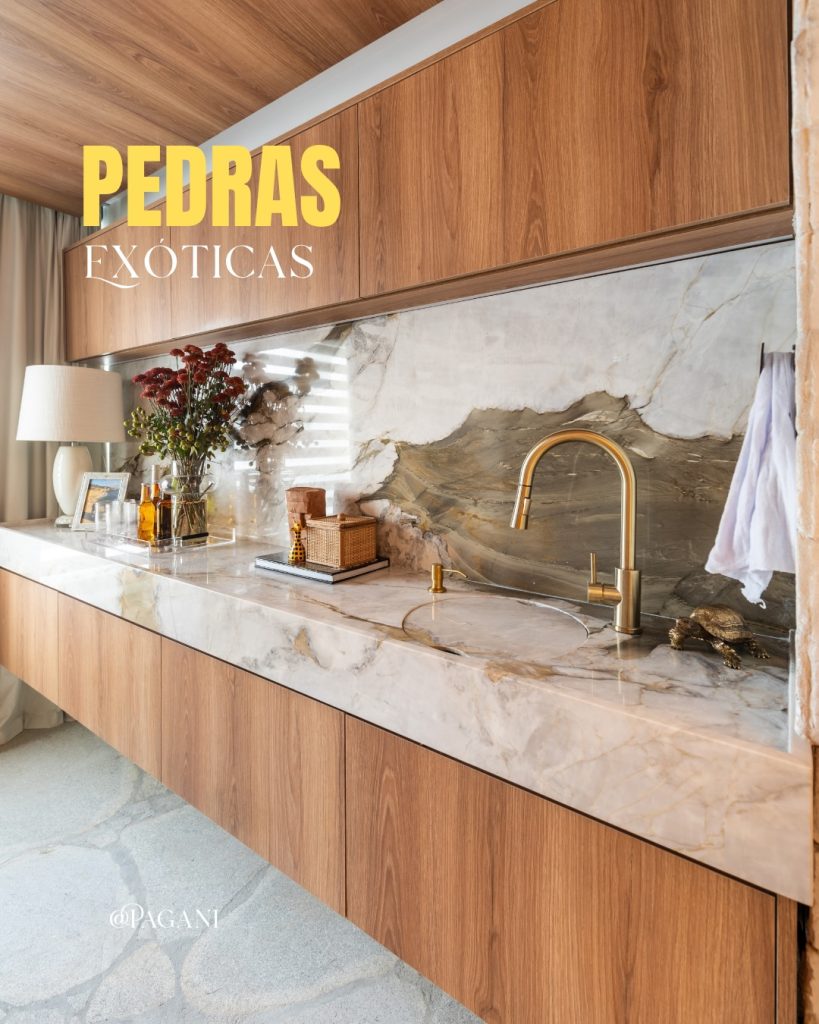
Pagani's vocabulary begins with stone. Not generic marble, but pieces distinguished by veining and marking so pronounced they reward extended contemplation. Each slab becomes a study in geological narrative—the product of time, pressure and transformation that no artificial surface can authentically replicate. The eye never tires of them, he observes, because they possess the irregular depth that repetitive uniformity cannot.
Colour as Punctuation
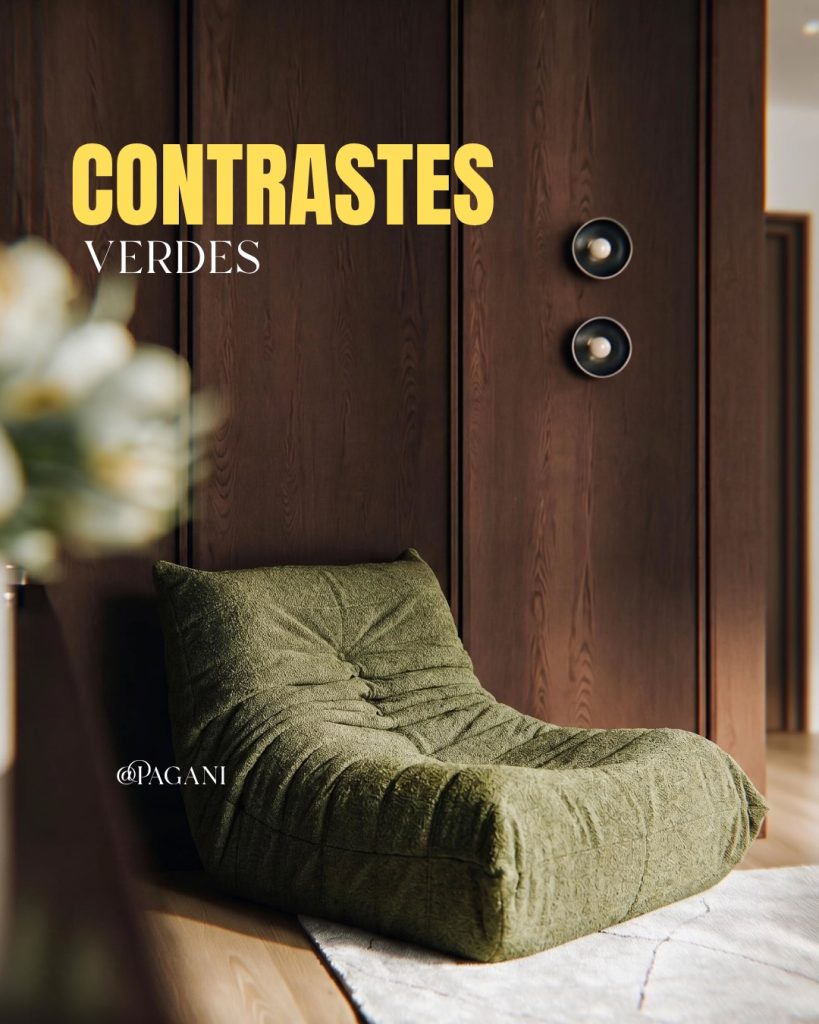
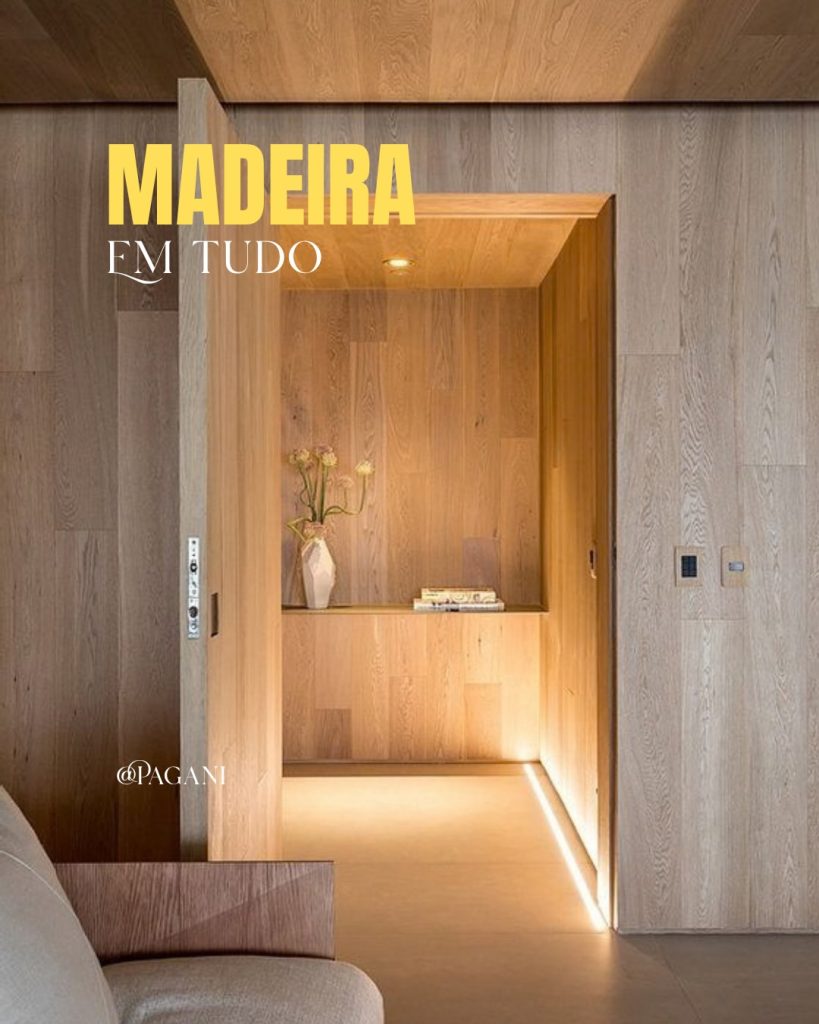
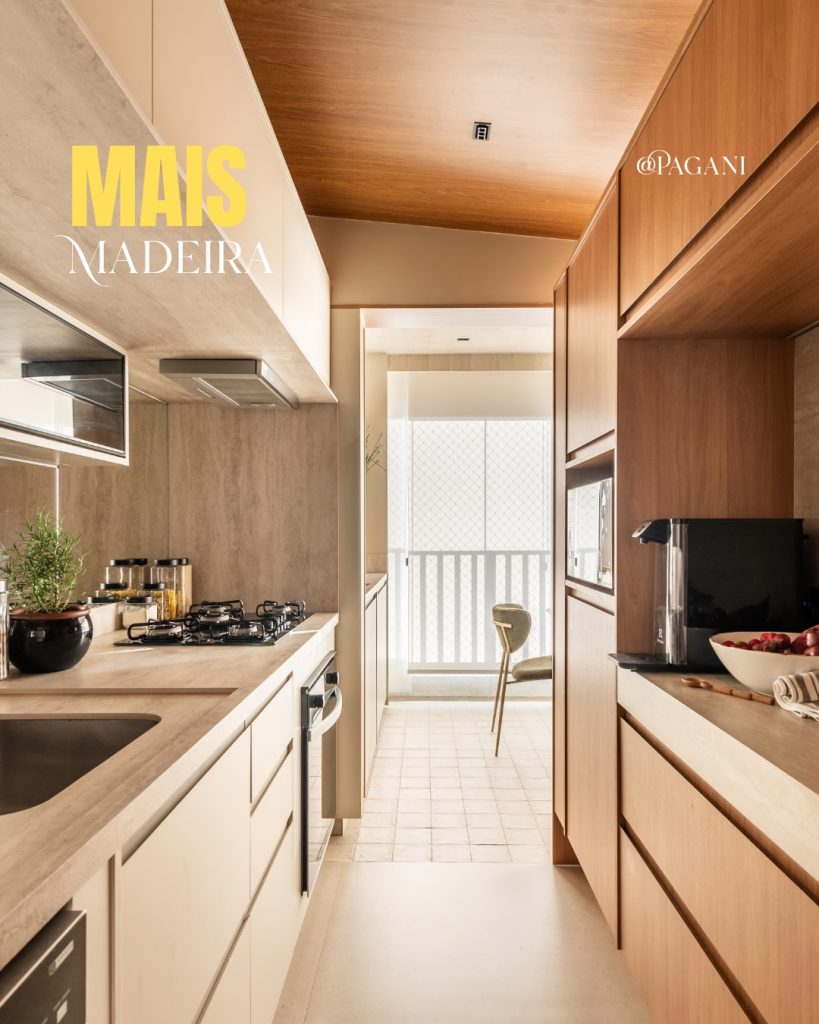
Green appears throughout his work not as decorative flourish but as architectural punctuation—a living accent in the form of plant, upholstery, stone or surface detail. It performs the crucial function of breaking neutral palettes without introducing visual fatigue. Wood, however, is the true constant. Deployed in everything from structural ceiling planes to subtle detailing, it introduces both tactile warmth and the immediate psychological signal of home. Chocolate tones—whether in wood grain, leather or architectural finishes—amplify this effect, transforming neutral spaces into enveloping environments.
Light as Architecture
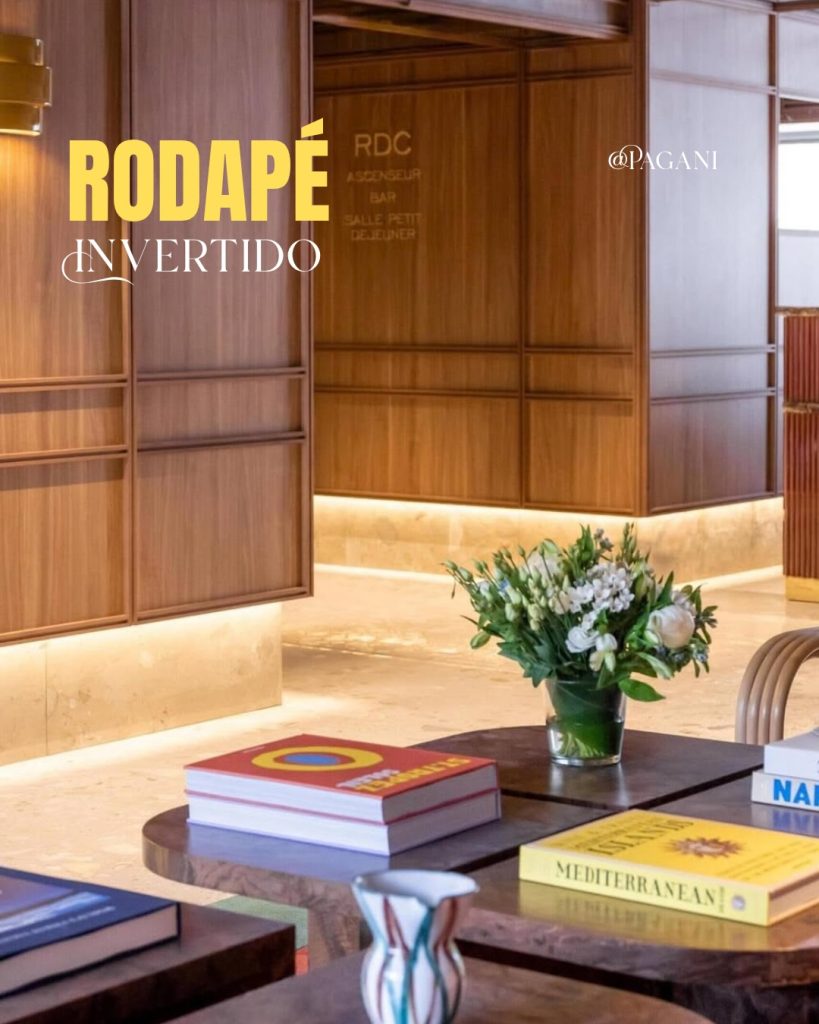
The treatment of light represents perhaps the most sophisticated dimension of Pagani's approach. Indirect illumination—hidden within cove details or concealed behind planes—operates invisibly yet transforms entire rooms. The eye rests; the atmosphere deepens. This is luxury defined not by visibility but by the sensed quality of space itself.
Details That Speak
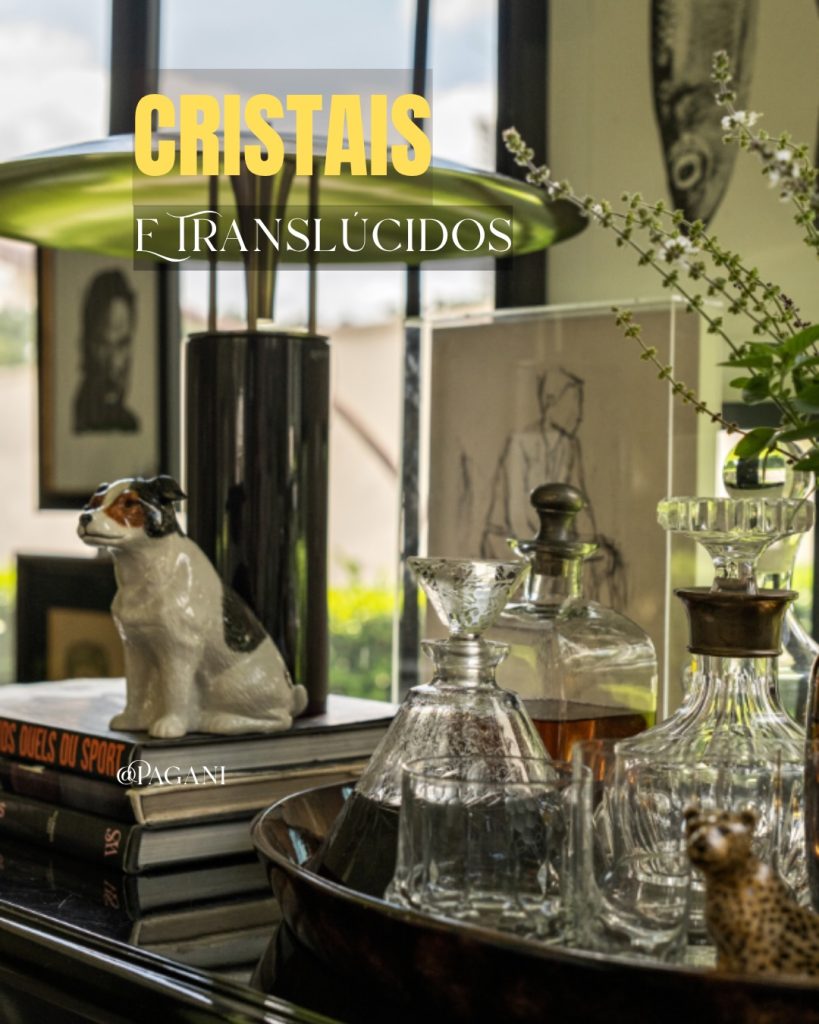
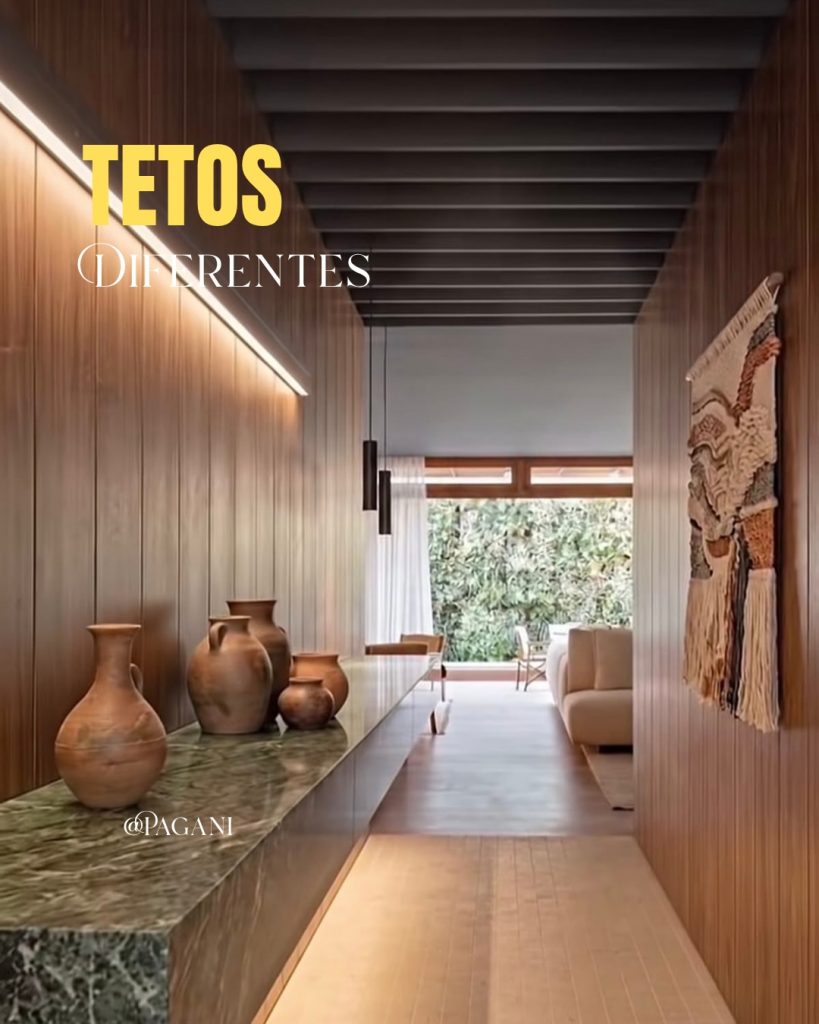
The inverted skirting—that modest junction between floor and wall—emerges as emblematic of Pagani's wider philosophy. It demands nothing of attention yet completes the entire proportion of a room through its discretion and precision. Equally, unexpected ceramic tiling, unconventional ceiling treatments and the deliberate inclusion of translucent materials create moments of surprise that prevent luxury from calcifying into predictability.
Art, carefully selected or commissioned for specific contexts, anchors identity into space. A room without artwork, Pagani suggests, lacks the essential element that transforms shelter into home—the mark of the person who inhabits it.
Maximalism Without Excess
The principle of measured maximalism—marrying multiple textures, colours, patterns and objects whilst preserving spatial calm—distinguishes Pagani's work from both austere minimalism and the accumulated chaos that masquerades as eclecticism. Coloured rugs offer a practical entry point for those hesitant about introducing colour; they anchor schemes without demanding permanent commitment.
What emerges across these twelve interlocking principles is not a style but a methodology—one that places the inhabitant at the centre of every decision and refuses the notion that comfort and considered design exist in opposition.
For Pagani, a Virgoan with Taurus ascendant, the home is never incidental. It is the primary expression of who we are, and it demands to be treated as such. In an era of algorithmic interiors and mass-market standardisation, this remains a quietly radical proposition.
Key Facts
- Practice Location: São Paulo, Brazil
- Core Design Principles: Twelve established practices including exotic stone selection, wood detailing, green colour accents, indirect lighting, inverted skirting, unconventional ceiling treatments and measured maximalism
- Material Focus: Exotic stone, wood, translucent ceramics, earth-tone finishes (chocolate, caramel, coffee), bespoke art
- Design Signature: Integration of texture, colour, light and personal identity to create spaces prioritising warmth and individual expression over uniformity
The Simply Luxury View
Pagani's articulation of his design practice carries particular weight because it emerges not from marketing strategy but from observed pattern in his own work. The principles he identifies—exotic stone selection, textural complexity, strategic colour deployment, indirect lighting and meticulous detailing—collectively describe an approach to interior architecture that privileges longevity and personal identity over trend.
Within the global conversation about contemporary luxury living, his insistence that comfort and considered design are inseparable, and that every element must earn its place through contribution to lived experience, positions him within a lineage of craftsman-architects for whom restraint and abundance are not opposing forces but complementary disciplines applied with equal rigour.
Imagery is used for editorial purposes. All rights remain with the respective owners, photographers and licensors.
Imagery courtesy of Fernando Pagani (@pagani).