CHANEL TURNS ITS PRIVATE SYMBOLS INTO THE 1,800-HOUR IMPRIMÉ LION
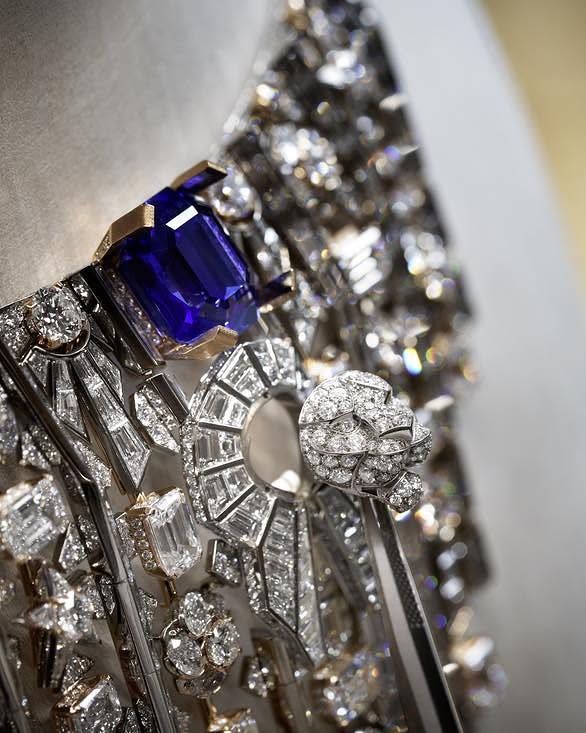
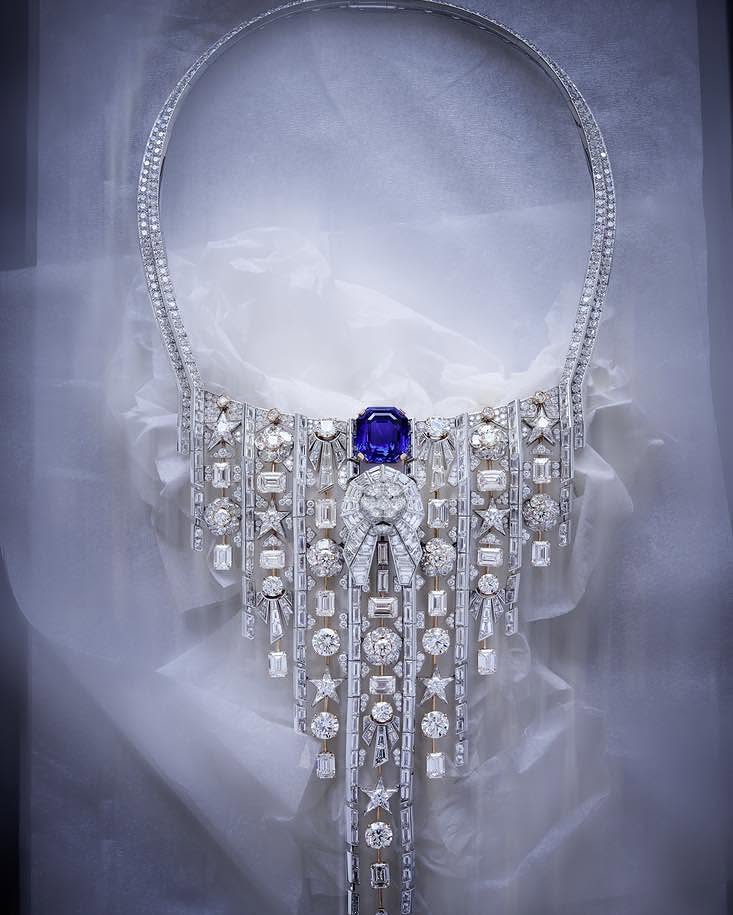
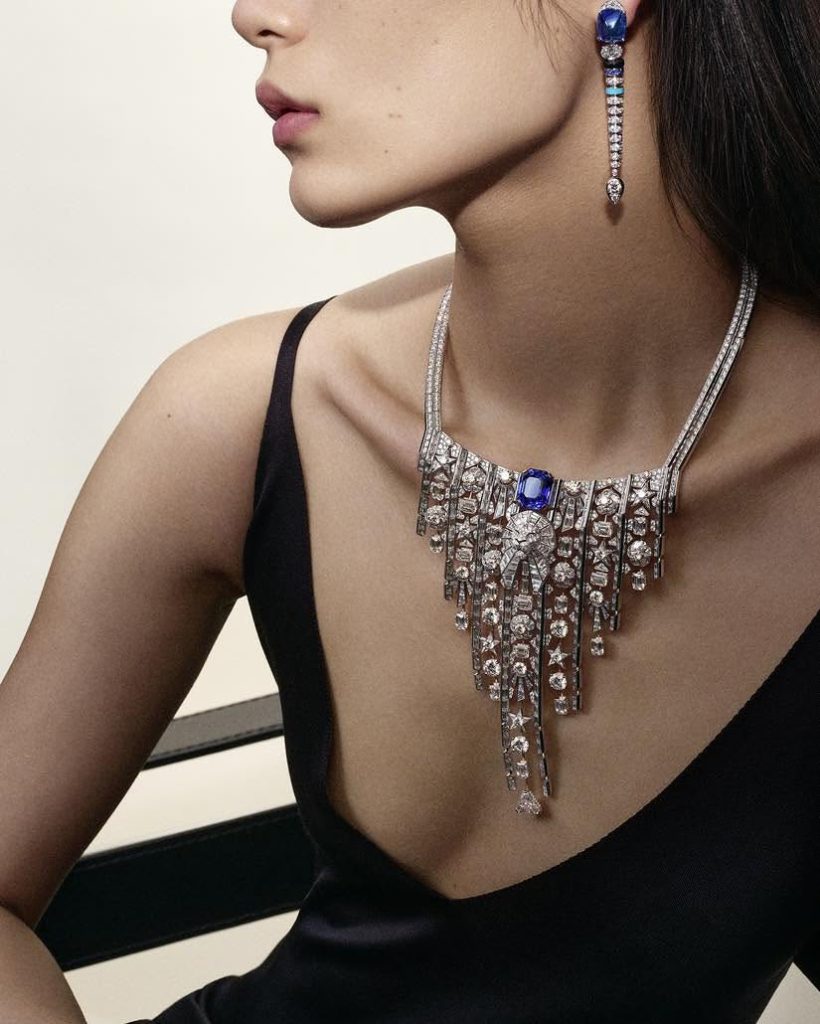
The Imprimé Lion necklace gathers Chanel’s lion, camellia, star and sun around a 20.66-carat Sri Lankan sapphire, turning house mythology into an extraordinary feat of flexible high-jewellery construction.
AI-assisted voice playback. Starts only when you choose Play.
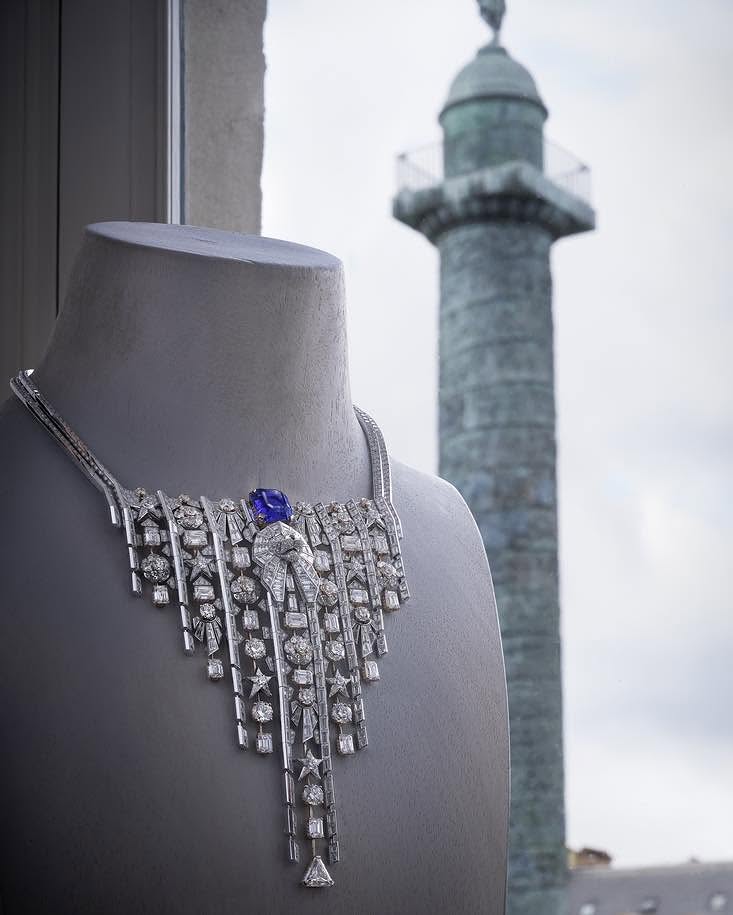
Chanel has spent decades turning Gabrielle Chanel’s private signs into public language. Lions, camellias, stars and suns have moved from biography into design codes so familiar that a jewel can announce the house without spelling its name. The Imprimé Lion necklace, the hero of the Signes & Symboles high-jewellery collection, brings those symbols together in one piece and then subjects them to the discipline of couture-like construction.
FOUR CODES, ONE NECKLACE
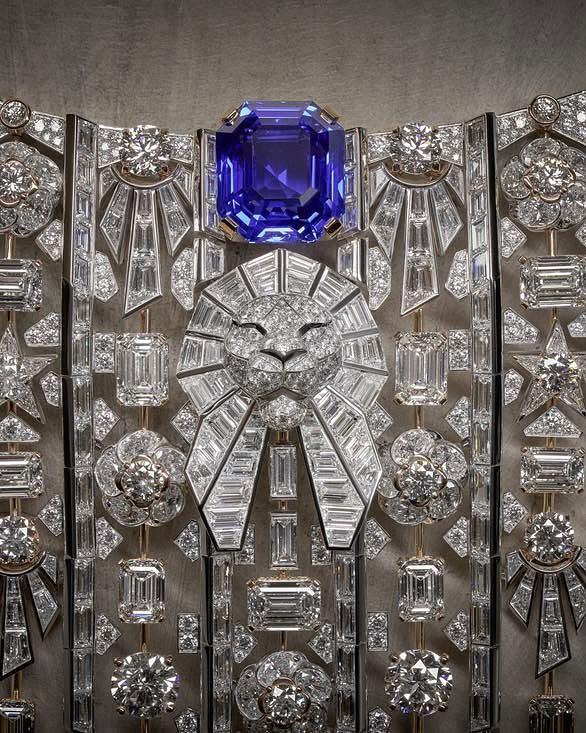
At the centre sits a 20.66-carat Sri Lankan sapphire, but the stone is only the anchor. Around it, Chanel builds a field of miniature motifs: the lion associated with the founder’s Leo star sign; the camellia that became one of the house’s most persistent floral emblems; and celestial references to stars and the sun. Harper’s Bazaar Arabia describes Signes & Symboles as an 85-piece collection arranged in four chapters, giving the necklace the role of concentrated manifesto rather than isolated showpiece.
The construction uses 18-karat white and rose gold and five different diamond cuts: triangle, oval, round, baguette, and emerald. This variety could easily become visual noise. Instead, the cuts are used as a kind of vocabulary, allowing each motif to read differently while remaining part of a coherent surface.
COUTURE LOGIC IN HIGH JEWELLERY
The most telling number is not the carat weight but the time: around 1,800 hours of craftsmanship. Much of that labour is devoted to creating an effect that the wearer is not supposed to notice. The diamond fringe is designed to move with flexibility, and the mixed gold framework has to support significant stones while avoiding the rigid feeling that can make a large necklace wear like armour.
That principle echoes Gabrielle Chanel’s early high-jewellery philosophy. Her 1932 Bijoux de Diamants collection treated jewellery less like static wealth and more like something that should respond to the body. Signes & Symboles revisits the same question with modern bench technique: how do you make a highly complex object feel spontaneous once it is worn?
The answer lies in hidden engineering. Articulation, setting, polishing, and the balance between solid metal and open space become as important as the individual diamonds. The finished necklace may read as a cascade of motifs and light, but beneath that apparent ease is an exacting mechanical structure.
RECOGNITION WITHOUT A LOGO
The most powerful luxury codes tend to outgrow their original stories. Chanel’s lion may begin with astrology, the camellia with personal taste, and the star with a recurring fascination for celestial imagery, yet over time each has become part of a shared visual memory. That is why the Imprimé Lion can feel unmistakably Chanel before the viewer knows its name.
This is also why Signes & Symboles matters beyond one spectacular necklace. At a moment when many houses are searching their archives for recognisable signatures, Chanel is demonstrating the difference between repeating a motif and building with it. The collection treats house symbols as flexible design elements capable of scale, abstraction and recombination.
The 20.66-carat sapphire provides the immediate drama. The deeper achievement is making a dense concentration of history, diamonds and technical labour feel like a single gesture. That is the couture trick: complexity belongs in the atelier; ease belongs on the body.